As a trauma therapist who provides EMDR therapy for clients, I spend a lot of time thinking about the nervous system and how people process difficult experiences. As a trail runner, I also spend a lot of time running on trails, hiking and backpacking, and taking long walks when my mind feels full.
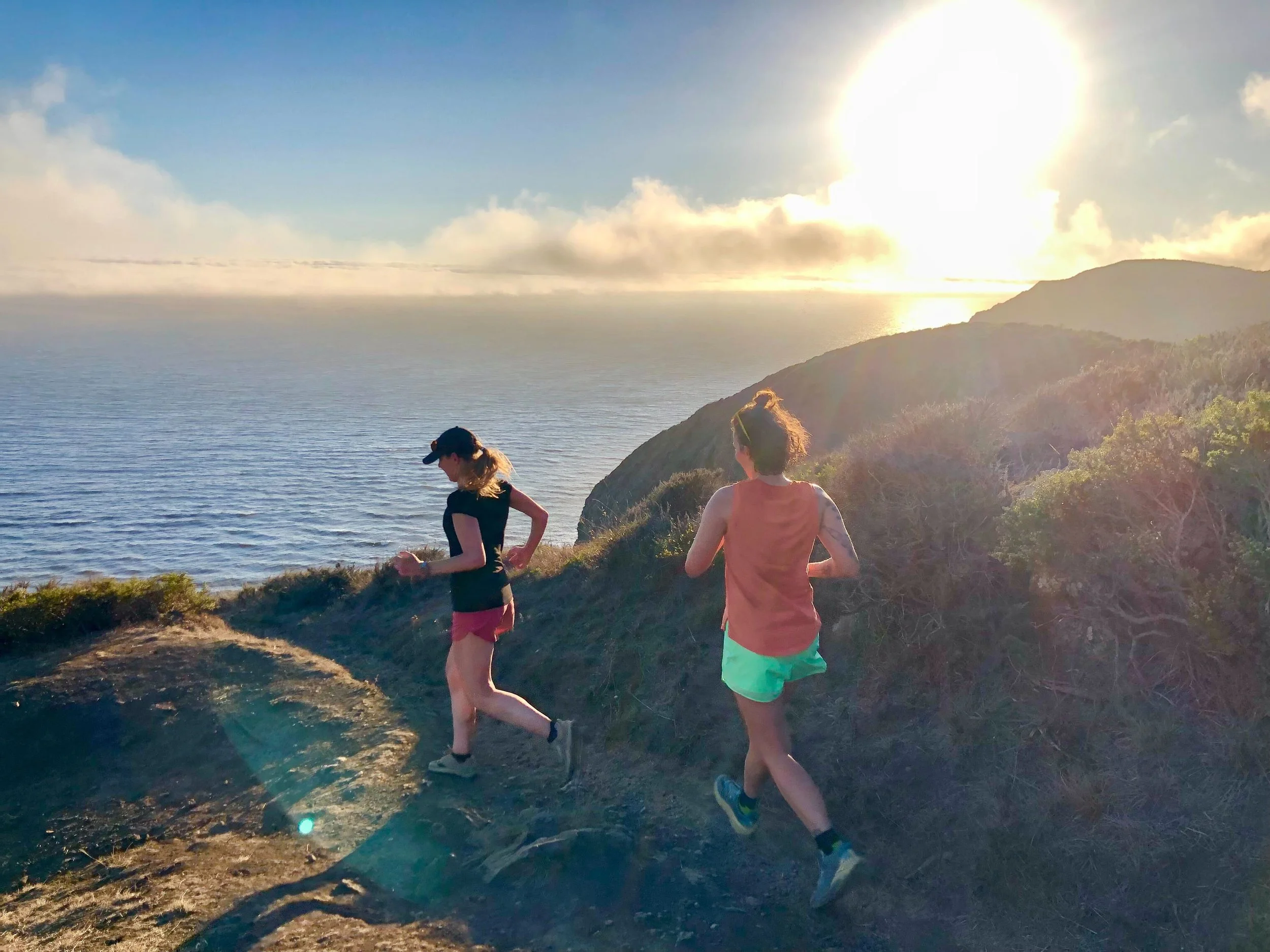
Over the years, I’ve noticed something interesting. Many clients intuitively turn to walking, running, or other rhythmic forms of movement when they’re overwhelmed, stuck in rumination, or emotionally flooded. Therapists do this too. We may not always name it this way, but there’s a reason rhythmic movement feels regulating, grounding, and sometimes even emotionally clarifying.
There’s a strong parallel between EMDR bilateral stimulation and the natural, repetitive movement of activities like walking, running, swimming, and even dancing.
What Is Bilateral Stimulation in EMDR Therapy?
In EMDR therapy, bilateral stimulation refers to alternating left-right stimulation of the brain and body. This can happen through eye movements, alternating taps, or sounds. The goal is to help the nervous system process distressing memories or experiences that feel “stuck.”

Research in neuroscience, particularly the work of Nader and colleagues, demonstrated that when memories are recalled they enter a labile state in which they can be updated before being stored again, a process known as memory reconsolidation.
From a trauma therapy perspective, bilateral stimulation supports integration. It helps the brain move information that has been stored in a fragmented or emotionally charged way into a more adaptive, integrated state.
When trauma is unresolved, the nervous system often stays on high alert. Thoughts loop. Emotions spike unexpectedly. The body holds tension long after the event has passed. EMDR works by engaging both hemispheres of the brain in a rhythmic, regulated way so that difficult material can be processed rather than avoided or re-lived.
Walking and Running as Natural Bilateral Stimulation
When you walk, your body moves in a left-right, alternating pattern. The same is true for running. Each step engages the opposite side of the body in a predictable rhythm.
This alternating movement is a form of bilateral stimulation.

While going for a run is not synonymous with undergoing a session of EMDR therapy, it engages similar neural pathways. Many people notice that when they walk or run, their thoughts begin to organize themselves. Emotional intensity may soften. Insight emerges without force.
For highly sensitive people or those with a trauma history, this can feel especially regulating. The nervous system receives a steady, repetitive signal of safety and movement forward.
Why Movement Helps When We’re Stuck in Our Heads
Trauma, anxiety, and overthinking tend to pull us upward into the mind. We replay conversations, catastrophize outcomes, or feel trapped in self-criticism. This is especially common for people who experience imposter syndrome or who work in caregiving professions.
Running, walking, and other rhythmic movements can gently bring us back into the body.
From a nervous system standpoint, rhythmic bilateral movement can help discharge excess activation. It gives the body something predictable to focus on. It creates forward momentum without requiring verbal processing.
Many of my runner friends will describe the mental clarity they are able to reach after a long run, even with challenges they have been wrestling with and overthinking for days. That’s not accidental. The body is doing what it knows how to do.

Parallels Between EMDR Therapy and Running
In EMDR therapy, we don’t force insight. We allow it to emerge. We track what comes up, notice shifts, and stay curious rather than judgmental.
Running can function in a similar way.
There are moments on a run where difficult memories surface unexpectedly. Other times, nothing comes up at all, and the run simply provides relief. Both experiences are valid. Processing doesn’t always look dramatic or emotional. Sometimes it looks like quiet integration.
As a therapist, I’ve found that movement allows me to metabolize what I hold during the workweek. Sitting with clients’ trauma requires presence, containment, and attunement. Running helps me release what doesn’t belong to me and reconnect with myself.
Movement as Self-Care for Therapists
For therapists, self-care is often framed as something passive or restorative. Bubble baths or a nice playlist. Rest matters, but so does movement. Especially for highly sensitive therapists, movement can be a way to regulate the nervous system rather than overwhelm it.
Walking or running doesn’t require a mindset of productivity. We don’t need big goals. It doesn’t demand insight. It simply asks for presence and rhythm. Of course, we need to make time for it, which can be difficult after a long day in the office.
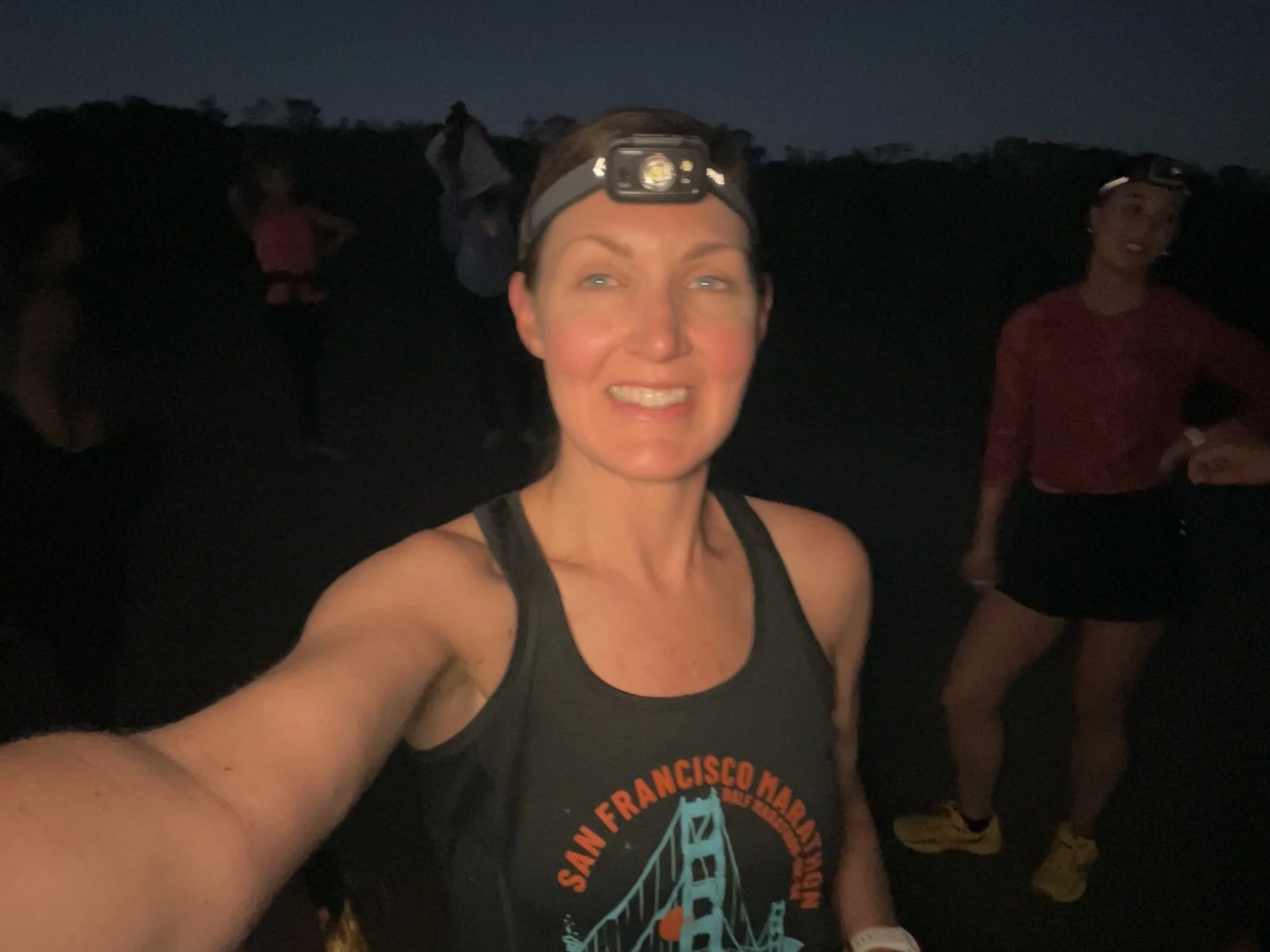
Many therapists notice that after moving their bodies, they feel clearer, more grounded, and less emotionally saturated. This isn’t about fixing or bypassing emotions. It’s about allowing the nervous system to complete stress cycles that otherwise remain unfinished.
Important Distinctions to Hold
It’s important to say this clearly. Walking, running, and other gentle movements are not a replacement for EMDR therapy or trauma therapy. Going on a backpacking trip will not get us to where we need to go, not entirely. Trauma processing is complex and often requires the safety and containment of a therapeutic relationship.
That said, movement can be a powerful complement to therapy. It can support regulation between sessions. It can help integrate work that’s already happening in therapy. It can help immensely in letting go of addictive patterns. And for some people, it offers a first step toward reconnecting with the body after trauma.
Listening to Your Nervous System
Of course, there is no single method that will be regulating for everyone, especially when it comes to our bodies. For some, intense exercise can feel activating rather than soothing. For others, something gentle like restorative yoga can catapult us out of our window of tolerance. Trauma-informed care always asks us to listen inward rather than follow rules.

Gentle walking may feel safer than running. Hiking in nature may feel more supportive than a crowded gym. The goal isn’t to push through discomfort but to notice what helps your nervous system settle.
Highly sensitive people often benefit from tuning into the environment rather than focusing on intensity. It might just be an opportunity to step away from screens and spend a few hours outside.
There is something deeply human about moving our bodies intentionally, and it usually requires a certain degree of safety. Whether through EMDR bilateral stimulation in therapy or through the quiet rhythm of a walk or run, the body has an innate capacity to heal and integrate.
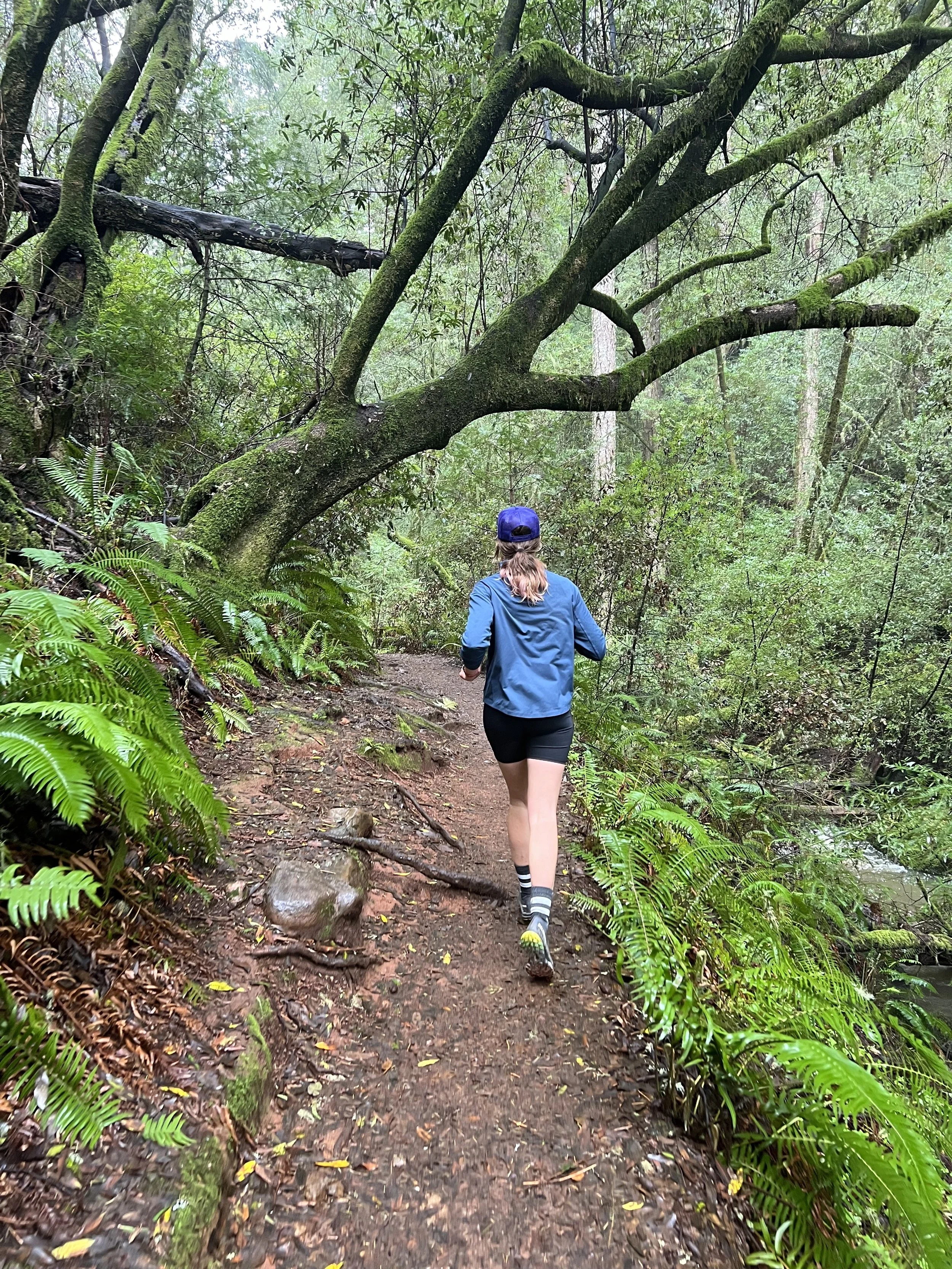
If you find yourself drawn to movement when things feel heavy, that makes sense. Your nervous system may already know what you need.
And if you’re a therapist, especially a highly sensitive one, caring for your nervous system is not optional. It’s part of the work.
If you’re interested in exploring EMDR therapy, trauma therapy, or how to work with your nervous system in a more attuned way, therapy can be a supportive place to begin. Contact me if you would like to learn more about EMDR therapy, ketamine assisted psychotherapy, ketamine-assisted EMDR therapy, art therapy, or another form of therapy, especially if you are a highly sensitive person, an overthinker, an athlete, or if you struggle with social anxiety or imposter syndrome.
Nader, K., Schafe, G. E., & LeDoux, J. E. (2000). Fear memories require protein synthesis in the amygdala for reconsolidation after retrieval. Nature, 406 (6797), 722–726. https://doi.org/10.1038/35021052